The Big Picture
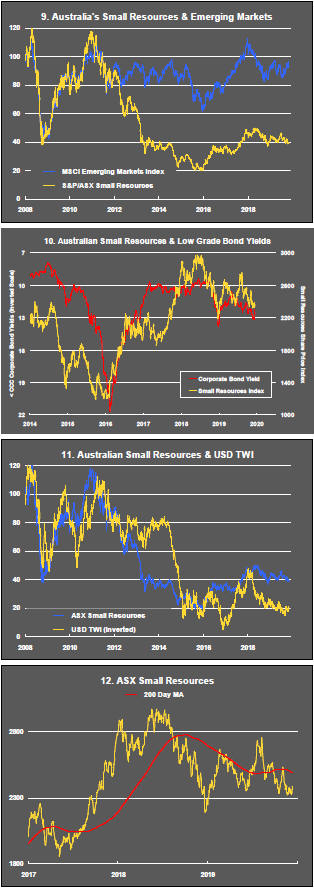
After recovering through 2010, a lengthy downtrend in sector prices between 2011 and 2015 gave way to a relatively stable trajectory similar to that experienced in the latter part of the 1990s and first few years of the 2000s.
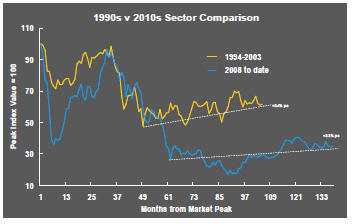
The late 1990s and early 2000s was a period of frequent macroeconomic upheaval during which time sector pricing nonetheless proved relatively stable.
Relative stability in sector prices suggests a chance for individual companies genuinely adding value through development success to see their share prices move higher. This was the experience in the late 1990s and early 2000s.
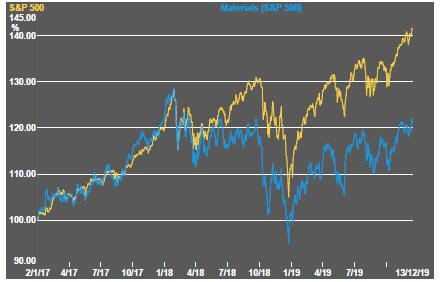
Still vulnerable cyclical conditions were aggravated in the second half of 2015 by a push from investors worldwide to reduce risk. Sector prices were pushed to a new cyclical low some 90 months after the cyclical peak in sector equity prices but these conditions were reversed through 2016 and 2017 as global growth accelerated although, for the most part, sector prices did little more than revert to 2013 levels which had once been regarded as cyclically weak.
Global growth, having peaked in late 2017, the sector has been in cyclical downswing since early 2018.
With a median decline in prices of ASX-listed resources companies since the beginning of 2011 of 89% (and 30% of companies suffering a decline of more then 95%), the majority of stocks remain prone to strong 'bottom of the cycle' leverage in response to even slight improvements in conditions.
In the absence of a market force equivalent to the industrialisation of China, which precipitated an upward break in prices in the early 2000s, a moderate upward drift in sector equity prices over the medium term is likely to persist.
The Past Week
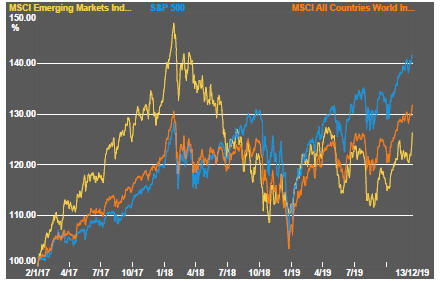
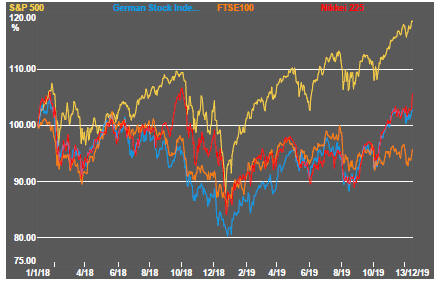
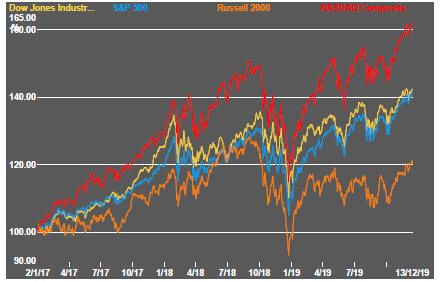
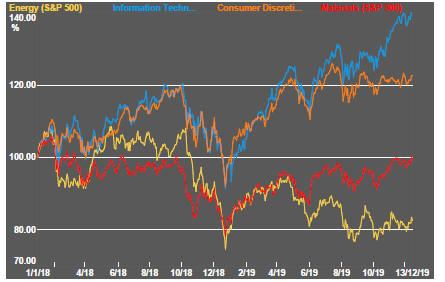
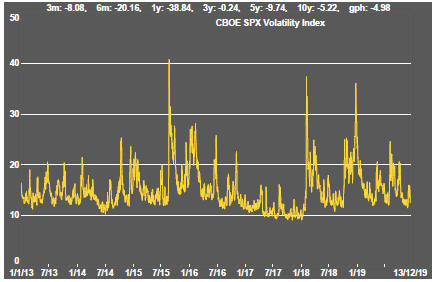
Global equity prices were buoyed by news of a trade deal between the USA and China.
Once again, the US side announced that the so-called phase one deal was only subject to the text being translated and finalised. Markets had been down this route before but seemed to hope for the best, although the response was more muted than it had been to trade deal news in the past year.
More important than the content of the deal, perhaps, was the associated decision by the US side to hold off on imposing threatened new tariffs against Chinese goods. Further tariffs had been identified by US Federal Reserve officials and the International Monetary Fund as a significant headwind to future global growth.
The new deal seemed to reassure markets that 2020 growth was on a stronger footing than it might have been otherwise.
Also helping sentiment was the commentary by Federal Reserve chairman Jerome Powell around the decision of the central bank to hold rates steady at its latest policy meeting. The decision was expected but Powell repeatedly referred to inflation needing to move higher, giving the impression that the Fed was prepared to enter a long period without any tightening in policy.
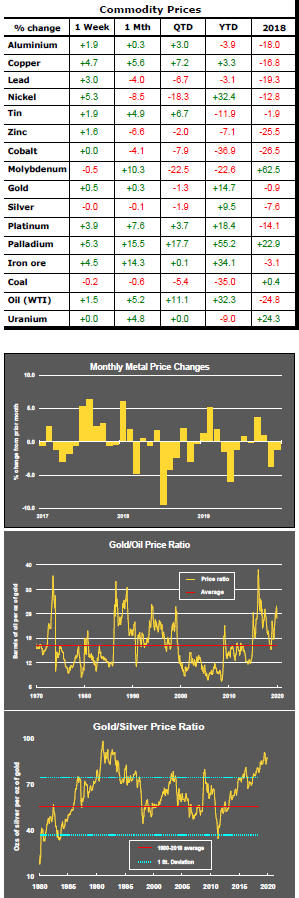
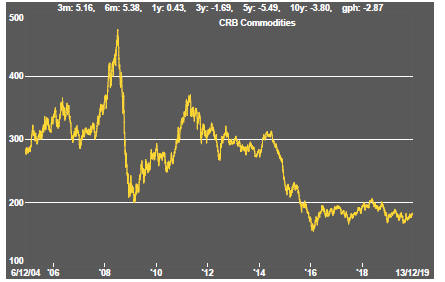
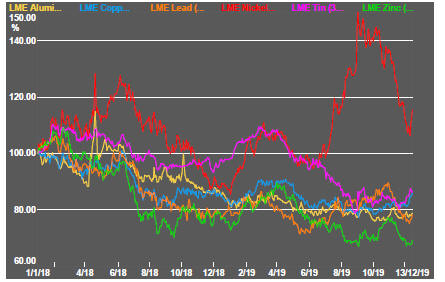
Industrial metal prices were generally higher during the week against the backdrop of improving sentiment about global growth outcomes.
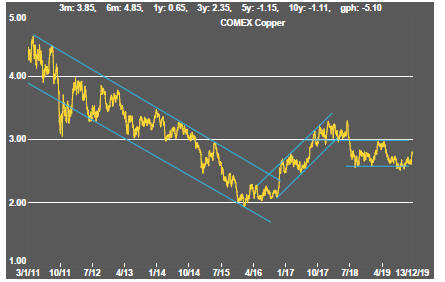
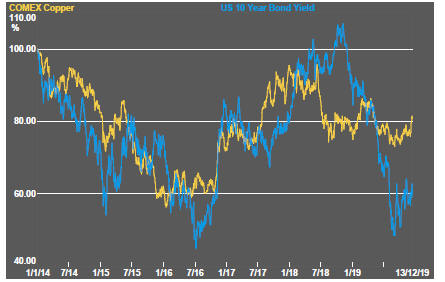
Copper prices, which had been noticeably muted against a backdrop of rising bond yields, began to rise more strongly and, along with nickel, are now higher than they were at the start of 2019.
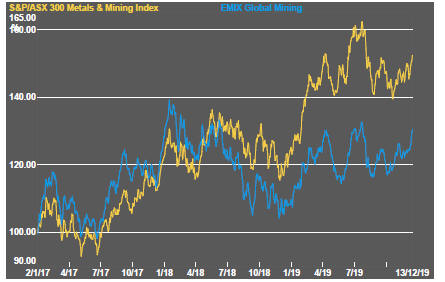
Financial and industrial metal prices are beginning to suggest an improvement in background conditions for the mining industry. The sector leading stocks responded positively to the apparent breakthrough on trade although other sources of friction, including a North American trade deal, US-EU tensions and negotiation of a permanent EU-UK trade pact, remain to be solved.
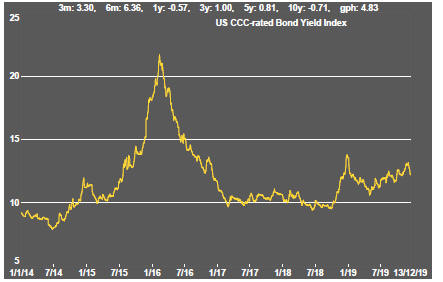
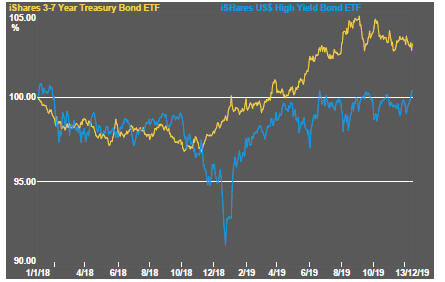
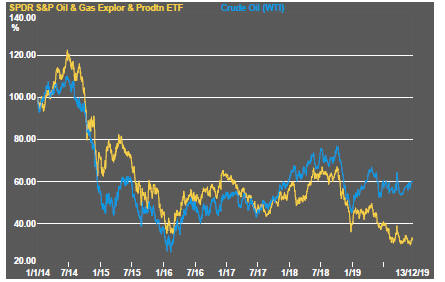
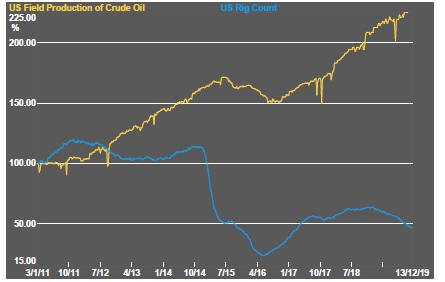
Yields on high risk corporate bonds edged lower after being on a rising trend for the past several months. The prospect of marginally stronger oil prices as well as, more generally, stronger growth will have helped. The OPEC grouping managed to secure firmer than expected restraint among its members and Russia than markets had been expecting. Still, US producers are setting new records.
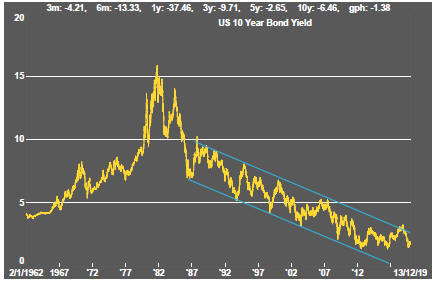
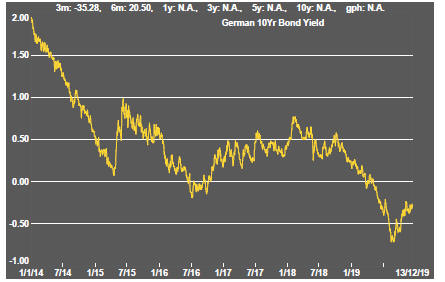
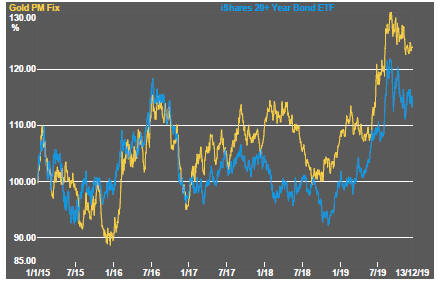
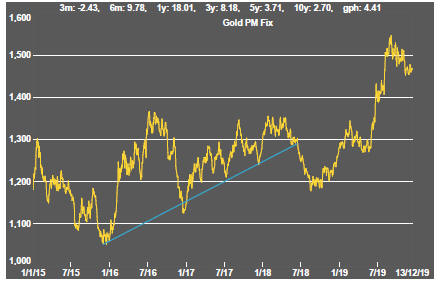
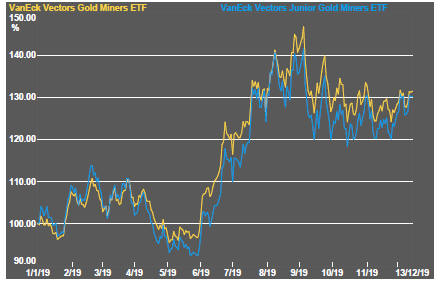
The gold price has been dragged lower by rising bond yields rather than responding to the apparent promise held out by central banks of eventually higher inflation.
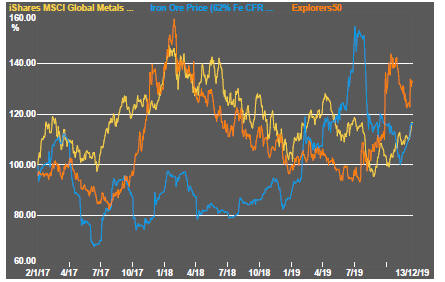
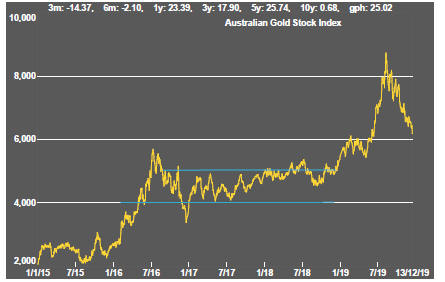
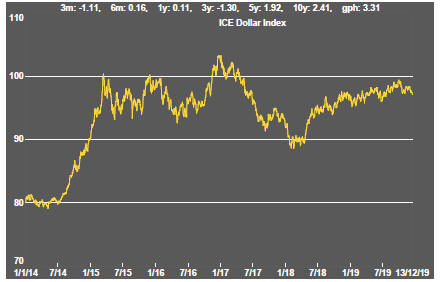
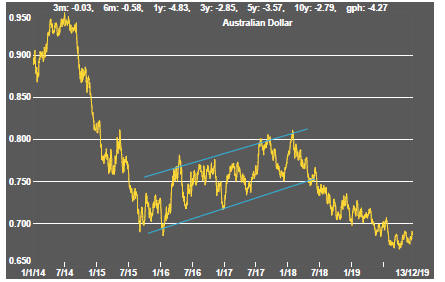
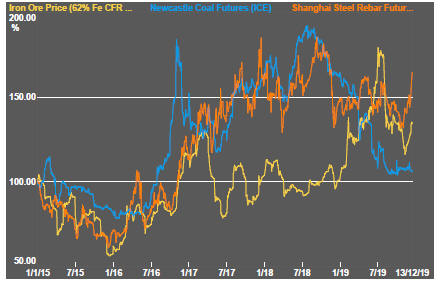
The direction of gold prices has had an exaggerated impact on Australian gold equities which have also been under pressure by signs that the Australian dollar might have touched bottom. The Australian currency will have benefited from improved sentiment about global growth and from signs of a revival in Chinese steel prices which have helped iron ore price outcomes.
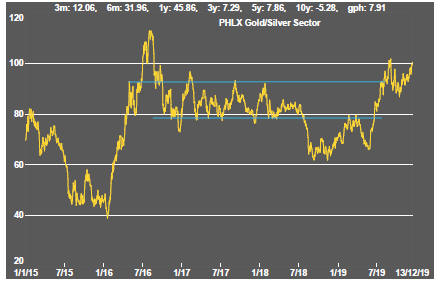
In contrast to the Australian gold equity price indicator, US gold equity price indicators were tending higher, taking a lead from equity markets rather than the bullion price.
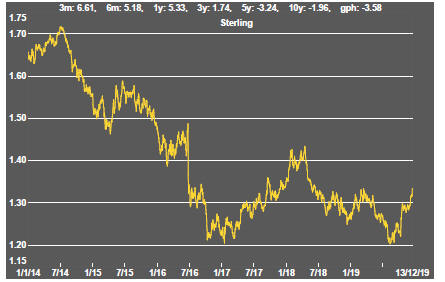
Sterling returned to levels from over a year ago after prime minister Boris Johnson won a resounding victory in British parliamentary elections, sealing the fate of the country’s exit from the European Union.
The improved growth outlook and rising appetite for riskier financial assets sets the scene for stronger demand by investors for early stage mining companies.
As 2019 ends, the narrative about the growth backdrop should acquire a more positive tone. While talk in 2019 was predominantly about growth being slower than in 2018, forecasters expect growth in 2020 to be faster than in 2019. The swing is not particularly strong by historical standards but will have eliminated an important source of negative sentiment which has had an adverse impact on equity prices and expectations for raw material demand.
Sector Price Outcomes
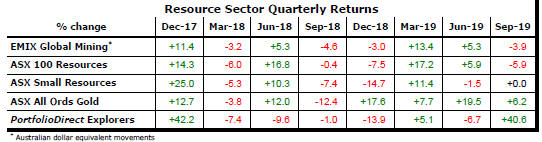
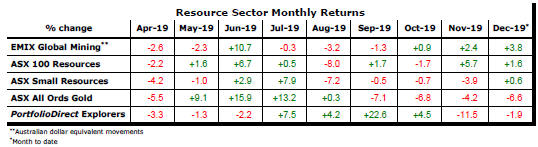
52 Week Price Ranges
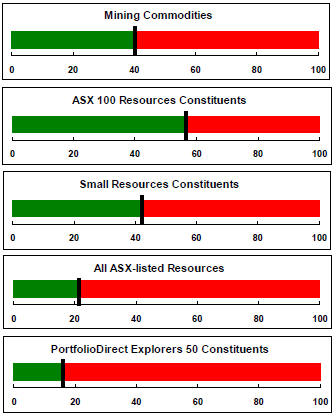

The Steak or Sizzle? blog LINK contains additional commentary on the best performed stocks in the sector and the extent to which their investment outcomes are underpinned by a strong enough value proposition to sustain the gains.
Equity Market Conditions
Resource Sector Equities
Interest Rates
Exchange Rates
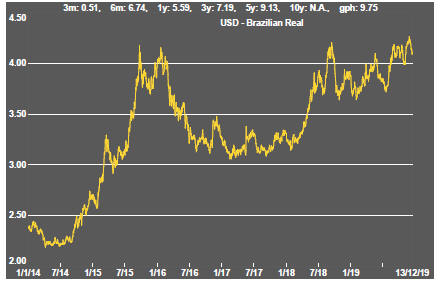
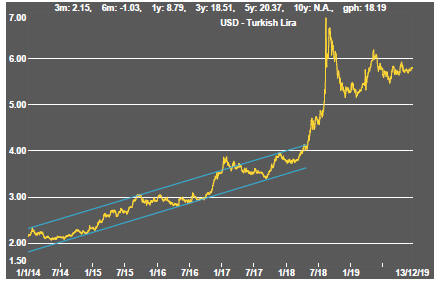
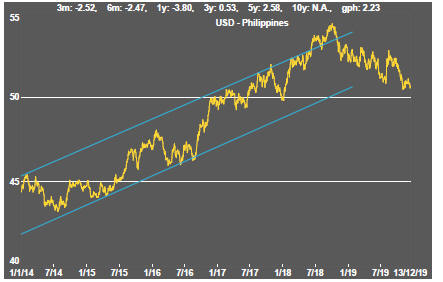
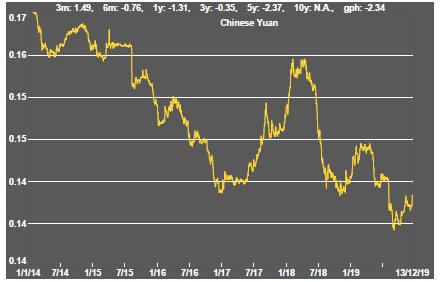
Commodity Prices Trends
Gold & Precious Metals
Nonferrous Metals
Bulk Commodities
Oil and Gas
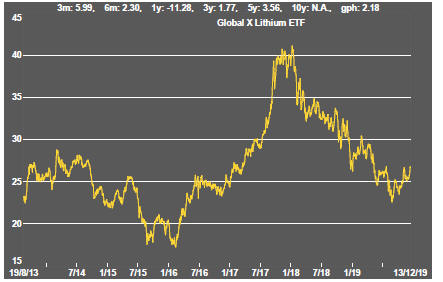
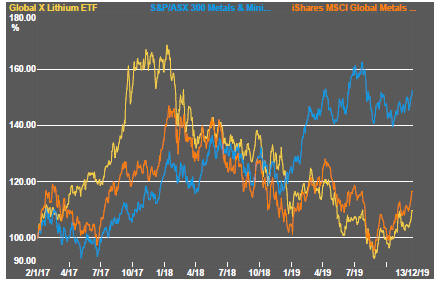
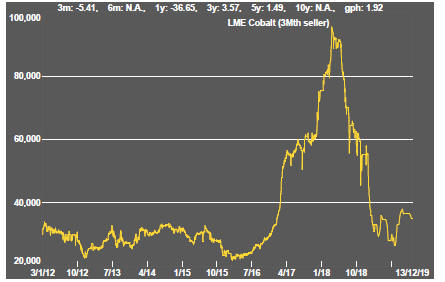
Battery Metals
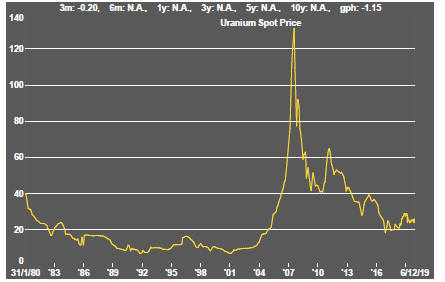
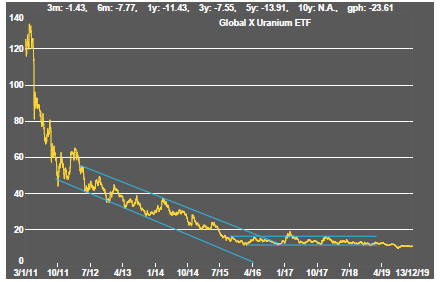
Uranium